
Craftsman Golf Head Cover Set Review: Are They Worth It for UK Golfers?
Choosing the very best golf head covers to protect your clubs.
Affiliate disclosure: This post contains affiliate links. As an Amazon Associate, jollyrgolf.com earns from qualifying purchases made through links on this page, at no extra cost to you.
If you’ve ever pulled your driver out of the bag and noticed a fresh scuff on the crown, you already know why golf head covers exist. The Craftsman Golf neoprene head cover set has become one of the go-to budget picks for golfers wanting to protect their woods and irons without spending big on leather, and in this review we’ll look at whether it actually holds up on a UK course, in a UK winter, in a UK boot full of other gear banging around.
First Impressions Out of the Box
Craftsman Golf leans into what neoprene does best rather than trying to imitate leather. What you get is a stretchy, wetsuit-grade material stitched into a snug, purpose-built pouch shape, usually sold as a set covering your driver, fairway woods, and sometimes a full run of irons depending on which listing you buy. It’s a practical, performance-first choice rather than a showpiece — and for protecting clubs day to day, that’s exactly what you want.

Pull one out of the packaging and the first thing you notice is how light it is. There’s no bulk here, no padding you’d find on a premium mallet putter cover. It’s closer to a sock than a case — which, honestly, is kind of the point. You’re not trying to survive a fall off a cliff. You’re trying to stop your 7-iron chewing into your 3-wood on the drive to the course.
Fit is generally snug rather than loose, which matters more than people think. A golf head cover that slides off halfway through your round is worse than no cover at all because now it’s rattling around loose in your bag or lying somewhere on the fairway.
Key Features and Performance of These Golf Head Covers
The material itself is the whole story with this product. Neoprene is naturally water-resistant, flexible, and cheap to produce, which is exactly why it shows up across so many budget golf accessories — head covers, but also grips, bag straps, and rangefinder cases. It won’t soak through in a light drizzle the way a knit cover would, though you shouldn’t expect it to shrug off a genuinely wet Scottish afternoon without the club head picking up some moisture eventually.
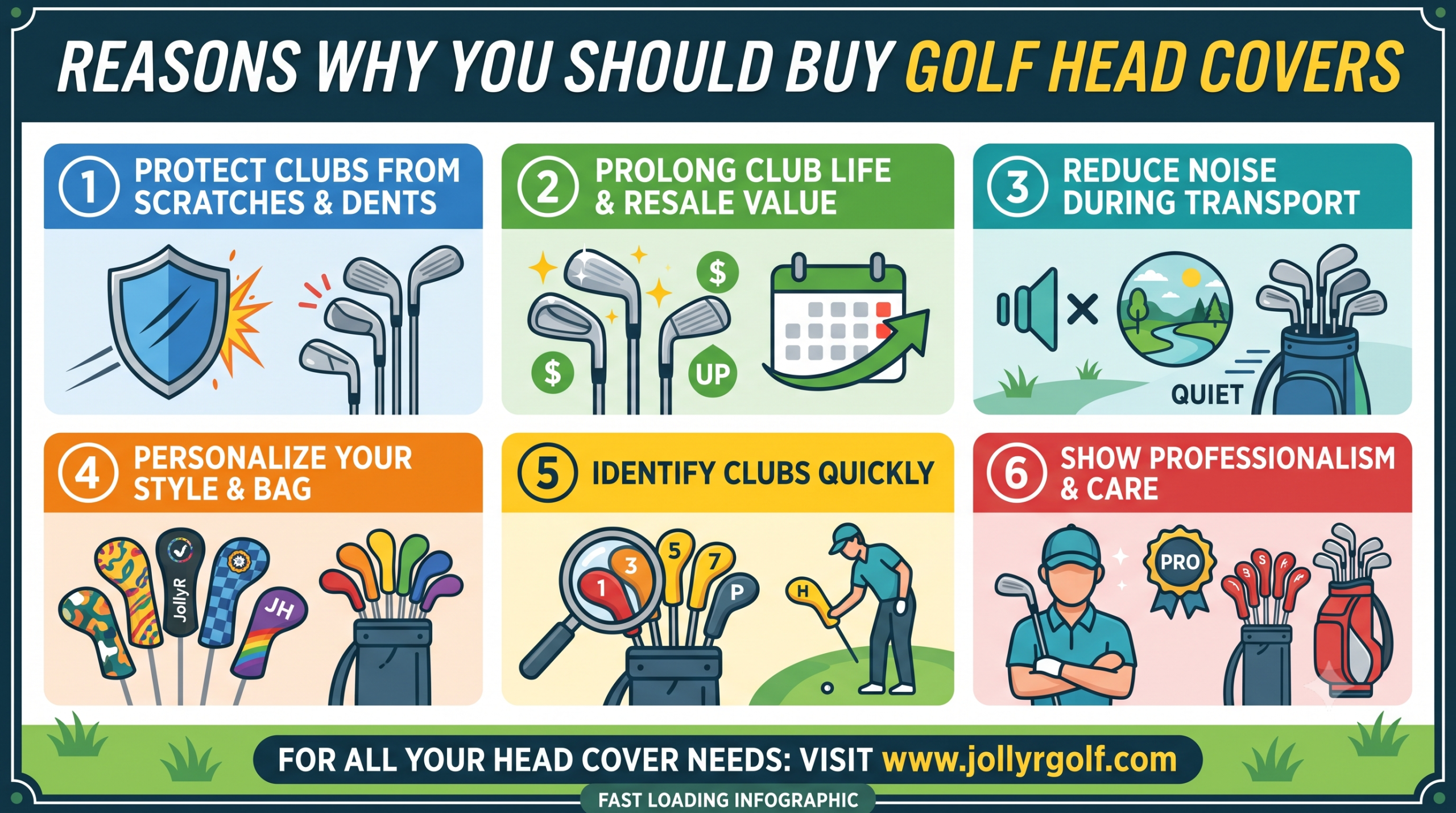
head covers
Most sets in this category include:
- Large printed numbers (3, 5, 7, or driver/fairway labels) so you can identify clubs at a glance
- An elasticated or drawstring opening that grips the hosel area
- A soft interior lining to avoid scratching the clubface or crown
- Machine-washable fabric, useful after a muddy winter round
None of that is groundbreaking. It’s the same formula most budget headcover brands use. What Craftsman Golf does reasonably well is consistency of sizing — reviewers and buyers commonly note the covers fit standard iron and wood head sizes without needing to force them on, which isn’t always a given with cheaper import brands where sizing can be a genuine gamble.
Real-World Use on the Course
Where these covers earn their keep is bag management, more than pure protection. Walk any UK course on a Saturday morning and you’ll see plenty of trolleys with irons rattling together, unprotected, and the scuffs show it. Slide a set of golf head covers over your irons and that noise disappears — no more clacking as you go over cart paths or bumpy fairways.
They also help visually. Being able to glance down and see which iron is which without pulling each one out saves genuine time, especially for higher handicappers still building club-selection instinct.
The trade-off is that neoprene doesn’t offer the same rigid protection as a hard case. If your driver takes a proper knock — dropped on concrete in the car park, say — a soft neoprene sleeve isn’t going to save it the way a rigid headcover or travel case would. Think of this as scuff protection, not impact armour.
Pros and Cons
Pros:
- Genuinely affordable compared to leather or branded OEM covers
- Lightweight, doesn’t add noticeable bulk to your bag
- Machine washable, easy to keep clean after wet or muddy rounds
- Numbered tags make club identification quick
- Decent stretch means fit is forgiving across slightly different head shapes
Cons:
- Offers scuff protection rather than serious impact protection
- Some UK buyers report the fabric can fade or bobble after repeated washing over a season or two
- Doesn’t have the premium look of leather if you care about how your bag looks on the first tee
- Number tags can be small on the driver/fairway versions depending on the specific listing
Who These Golf Head Covers Are Best For
This set makes the most sense for golfers who want reliable, no-fuss protection without spending £40-plus on a leather set — think weekend players, beginners building their first proper bag, or anyone replacing a tired old set of covers that finally gave up. If you’re the type who keeps the same bag for a decade and wants something that photographs beautifully on the practice ground, a premium leather set will suit your taste more. But for the actual job of stopping your clubs from chipping each other to bits in transit, this does what it says on the tin.
It’s available on Amazon, and given the price point, it’s a low-risk buy if you’re just trying to sort your bag out before the season properly starts.
Wrapping Up
There’s nothing flashy about a neoprene head cover set, and Craftsman Golf isn’t trying to convince you otherwise. What you’re paying for is straightforward scuff protection, decent club identification, and a fit that generally holds up round after round — solid value if that’s what you actually need. If you want heirloom-quality leather that ages like a good pair of boots, look elsewhere. If you just want your clubs to stop banging into each other on the way to the course, this does the job without draining your wallet.
Check the current price on Amazon
Frequently Asked Questions About Golf Head Covers
Are neoprene golf head covers as good as leather ones? Not in terms of looks or long-term durability, no — but for day-to-day scuff protection, neoprene does a perfectly good job at a fraction of the price. Leather tends to win on longevity and appearance rather than actual protective performance.
Will these fit my driver if I have an oversized head? Most standard neoprene sets are built to accommodate common driver head sizes (typically up to around 460cc), but if you’re playing an unusually large or aftermarket head, it’s worth checking the specific product listing’s sizing notes before buying.
Can I wash a neoprene golf head cover? Yes, most neoprene covers are machine washable on a gentle cycle, though air drying is generally recommended over tumble drying to avoid warping the fabric over time.
How many golf head covers do I actually need? At minimum, most golfers cover the driver and fairway woods since those heads are the most exposed and expensive to repair. A full iron set of covers is optional but useful if your irons already show signs of contact scuffing in the bag.
Disclaimer
This post contains affiliate links. As an Amazon Associate, jollyrgolf.com earns from qualifying purchases made through links on this page, at no extra cost to you. This review is based on the manufacturer's specifications, product listing details, and patterns in verified buyer feedback.




1 thought on “Craftsman Golf Head Cover”